

ADVERTISEMENT – BEST WISHES FROM

By B Swaminathan
In the traditional IT landscape, the channel partner was often viewed as a transactional bridge—a provider of hardware, licenses, and the “hands and feet” required for physical deployment. For decades, the Indian IT ecosystem thrived on this labor-intensive model, where the value of a partner was measured by the size of their engineering bench and their ability to fulfill procurement orders. However, the rapid ascent of Artificial Intelligence is fundamentally dismantling this framework.
As enterprises move beyond the initial hype of Generative AI (GenAI), a new consensus is emerging among India’s top technology leaders: the partner is not becoming obsolete, but their survival now depends on a radical shift from volume-based fulfillment to high-value, AI-enabled consultancy. The “Middleman” is dead; the “Strategic Architect” has arrived.
The Trusted Navigator in a Sea of Data
The challenge for modern organizations has shifted from a lack of information to an overwhelming, often paralyzing, surplus of it. In the pre-AI era, a channel partner held the “keys to the kingdom” by knowing which products were available and at what price. Today, AI tools provide CIOs with direct access to global market data, technical specifications, and peer reviews. This democratization of data has evaporated the partner’s role as a simple informant.

Instead, partners are being called upon to act as custodians of truth and curators of implementation. R Suresh Kumar, Vice President of IT Infrastructure at Zurich Kotak General Insurance Company, argues that as dependence on partners increases, the nature of that relationship must move toward deep, vertical-specific specialization.
“Our core business is insurance, but when it comes to technology, we need specialists who understand the nuances of AI,” Suresh explains. He notes that because information is now readily available to everyone via AI, the partner’s value-add must shift toward the “accuracy and facts of the data.”
In an era where “hallucinations” and deepfakes make the line between reality and artificial generation increasingly blurred, Suresh insists that partners must be the filter that distinguishes between real and synthetic data. “It is about building a level of trust that exceeds what we have today,” he says. “Trust is a journey that reflects the quality of services over time. Effective risk management and governance are what will take partnership to the next level.”
The Death of the ‘Headcount’ Model: Rising to AIOps
This evolution is triggering a structural collapse of the traditional Systems Integration (SI) model. For decades, the Indian IT sector was built on the “FTE” (Full-Time Equivalent) metric. If a project was large, you assigned 30 people to it. Today, that linear relationship between project size and headcount is being severed by automation.
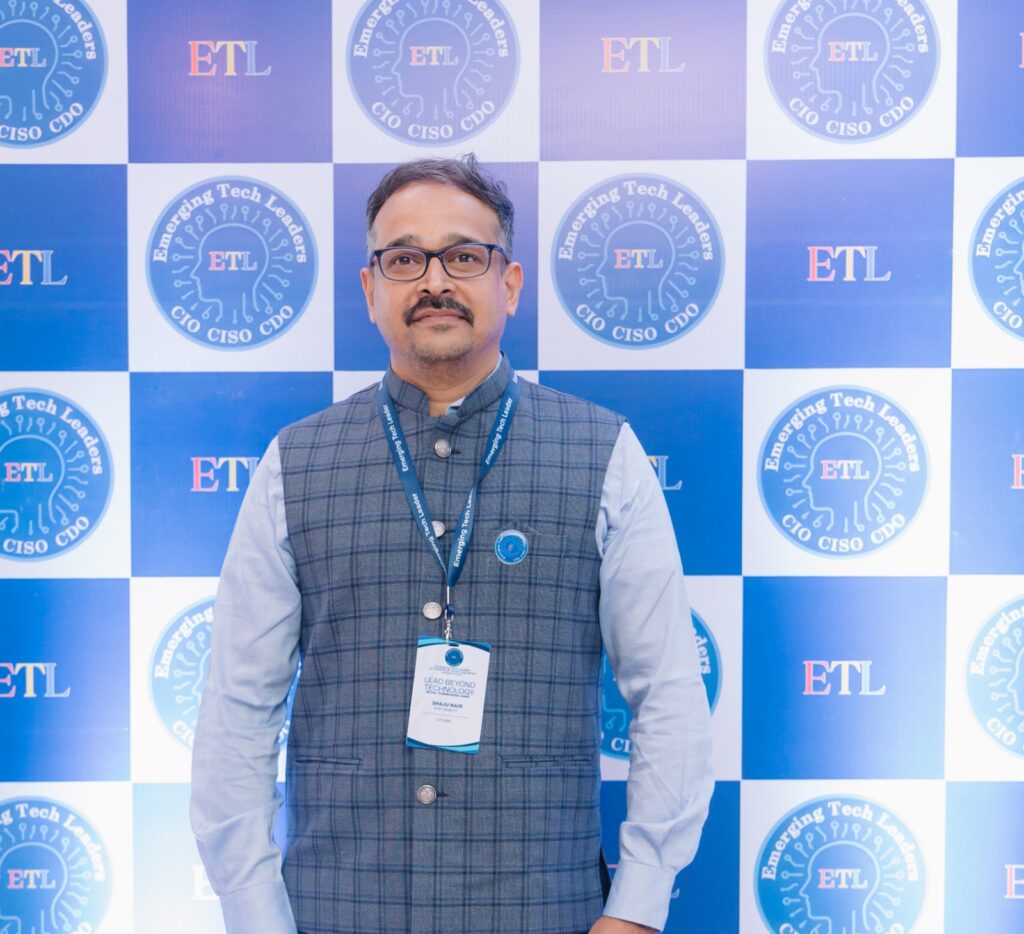
Shaju Nair, EVP and Head of IT at UTI Mutual Fund, sees a definitive transition toward AIOps (Artificial Intelligence for IT Operations). He points out that traditional operations are being streamlined by algorithms that can predict outages, manage loads, and patch systems faster than any human team. “We are moving toward a model where the need for ‘hands and feet’ on-site will decrease,” Nair observes. “Historically, SI operations relied on a high headcount—teams of 20 or 30 experts. Now, most processes will be automated through AI-driven operations and integrated into the DevSecOps pipeline.”
However, Nair cautions against the “magic button” fallacy. While AI can automate tasks, it cannot replace the strategic evaluation of complex, multi-vendor environments. He views AI as a tool for “strategic preparedness,” allowing organizations to define their requirements with surgical precision before a partner even steps into the room. “You still need partners to help you understand granular features and evaluate multiple options,” he adds, “as a single solution is rarely enough. The advantage now is that the customer comes to the table with the right questions already generated by AI.”
Security, Sovereignty, and the Cloud Paradox
One of the most significant friction points in the AI transition is the tension between innovation and data security. As organizations rush to adopt Large Language Models (LLMs), they are simultaneously realizing the inherent risks of feeding proprietary data into public clouds. This “Cloud Paradox”—needing the cloud’s power but fearing its transparency—is where the channel partner finds their most urgent mandate.
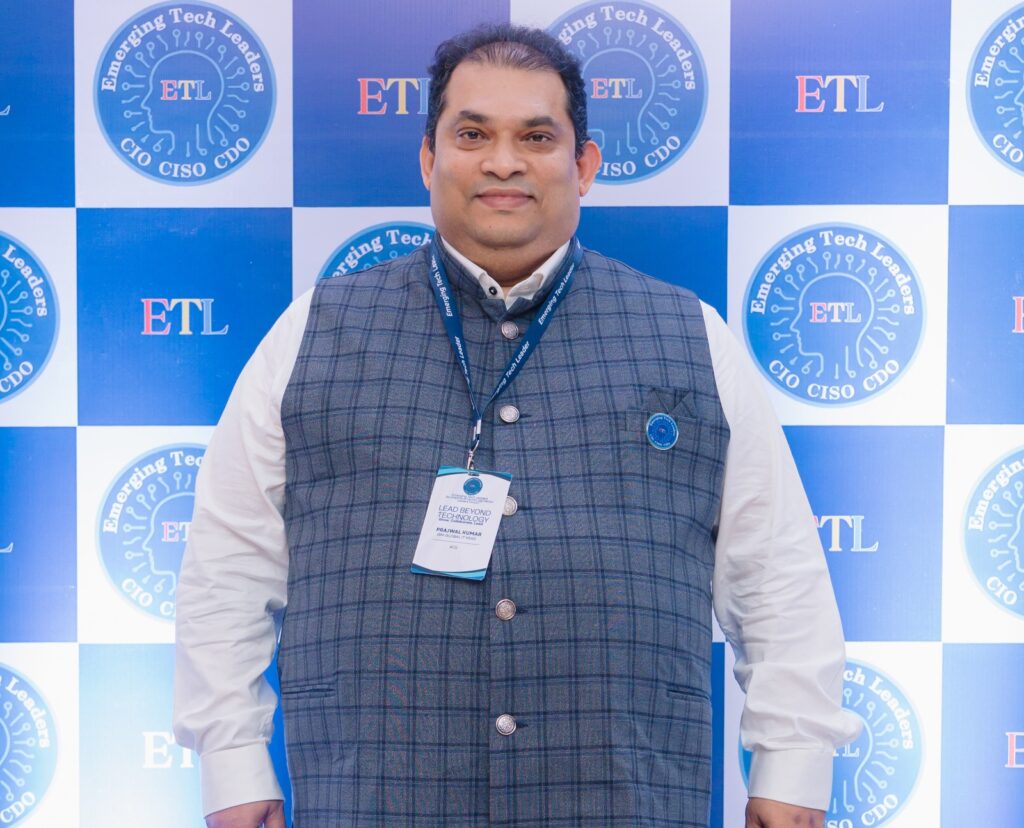
Prajwal Kumar, Global IT Head at ACG Worldwide, likens the current AI anxiety to the early days of Electronic Data Processing (EDP). Just as workers feared the mainframe would steal their jobs in the 20th century, today’s workforce fears the algorithm. But Kumar suggests that the “trick” to the modern era lies not in the tool itself, but in the sophisticated utilization of it.
“Traditional programmers may find themselves phased out, but those who are AI-enabled will thrive,” Kumar states. He highlights a paradigm shift in productivity: a coding project that once took a month can now be achieved in thirty minutes by a developer who knows how to leverage AI.
For Prajwal, the partner’s new mandate is to act as a security architect. At ACG Worldwide, the strategy is clear: keep LLMs and Generative AI within the organization’s own infrastructure to protect confidential data. “Partners need to understand an organization’s specific thought process and suggest the right approach,” Kumar says. “Every vendor claims to be the best, but the partner’s role is to educate the organization on the proper path and how to keep their data secure. AI is not magic; it is a tool that requires expert handling.”
Beyond the Horizon: The Skill Gap Crisis
As we look toward the 2026-2027 fiscal cycles, the biggest bottleneck for the Indian IT channel isn’t the technology—it’s the talent. The rapid pace of AI evolution has created a “skills lag” where the technology is moving faster than the classroom.
Industry leaders agree that the next generation of digital transformation requires a partner who is a hybrid: part data scientist, part business strategist, and part cybersecurity expert. The “box-pusher” of the 2010s is being replaced by the “Value-Added Distributor” (VAD) who can explain the ROI of a GPU cluster as easily as they can discuss the ethics of automated decision-making.
The shift toward DevSecOps—the integration of security at every stage of the software development lifecycle—means that partners must now be proficient in code-level security. They must be able to prove to CIOs that the AI-generated code being deployed in their apps isn’t riddled with vulnerabilities or biased logic.
The Foundation of the Next Generation
As the industry pivots, the move toward automation is no longer a luxury—it is a baseline requirement for any partner wishing to remain relevant. The transition from labor-heavy models to intelligence-driven operations is the new standard for the Indian enterprise. We are moving away from a world of “break-fix” maintenance toward a world of “predict-prevent” intelligence.
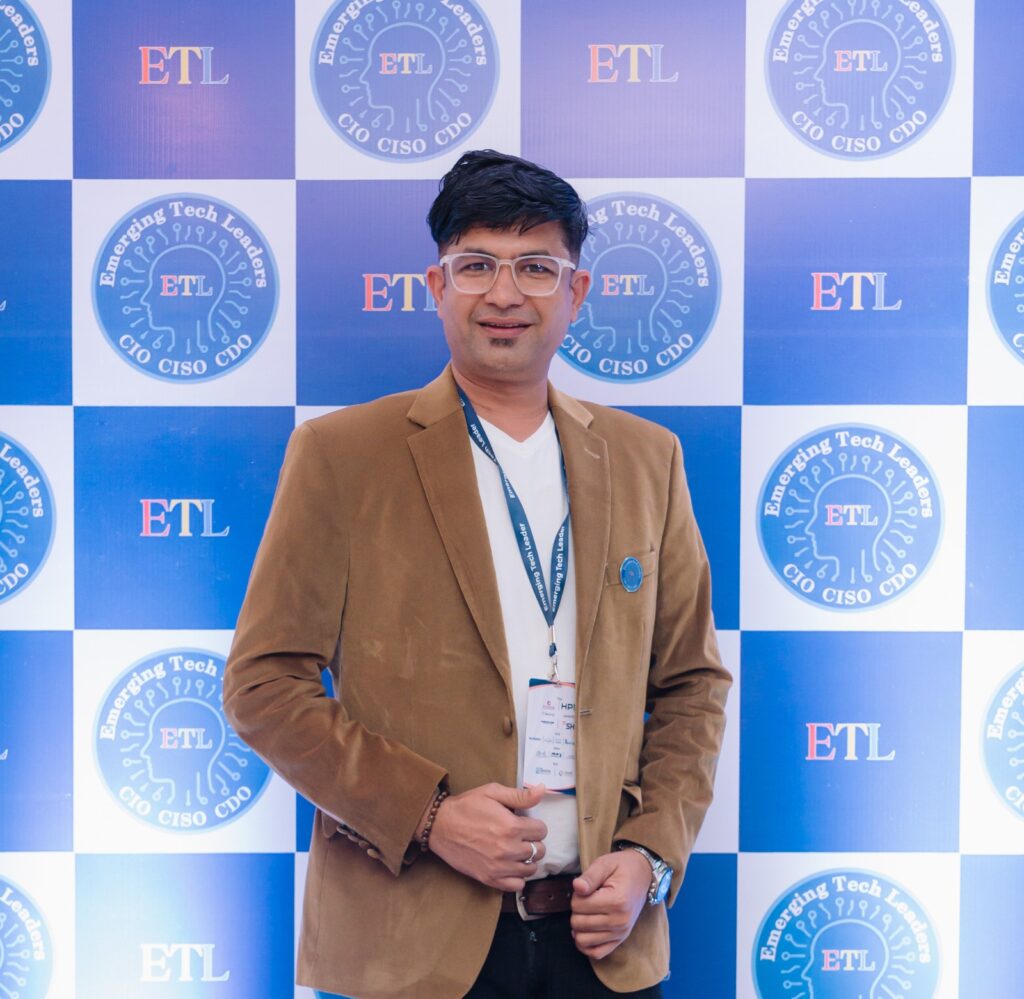
Suhas Deshmukh, India IT Responsible (CIO & CISO) at TRUMPF India, provides a definitive concluding note on this transition. He emphasizes that for partners to survive, they must embed AI across the entire technical operation, from the foundation of cloud management to the shield of cybersecurity.
“We are seeing a complete shift from the traditional SI model toward AIOps,” Deshmukh concludes. “In this new era, the need for manual field engineering will diminish as the majority of processes are automated. By embedding AI operations directly into the DevSecOps pipeline, partners can achieve a level of efficiency and speed that was previously impossible.”
For the modern channel partner, the message from India’s IT leadership is clear: Adapt your team, automate your operations, and elevate your expertise. The transition to AI-driven automation is no longer optional; it is the very foundation of the next generation of IT infrastructure. Those who master the tool will lead the market; those who treat it as a threat will be left behind in the manual world of the past.